

Kamasstudio
PADAYALI
PADAYALI
Couldn't load pickup availability
Share
Padayali, the legendary soldier is back on duty, but this time, he is strictly guarding the grown-ups! Designed for unyielding security and absolute peace of mind, this beautifully engineered metal chastity cage keeps everything safely out of trouble.
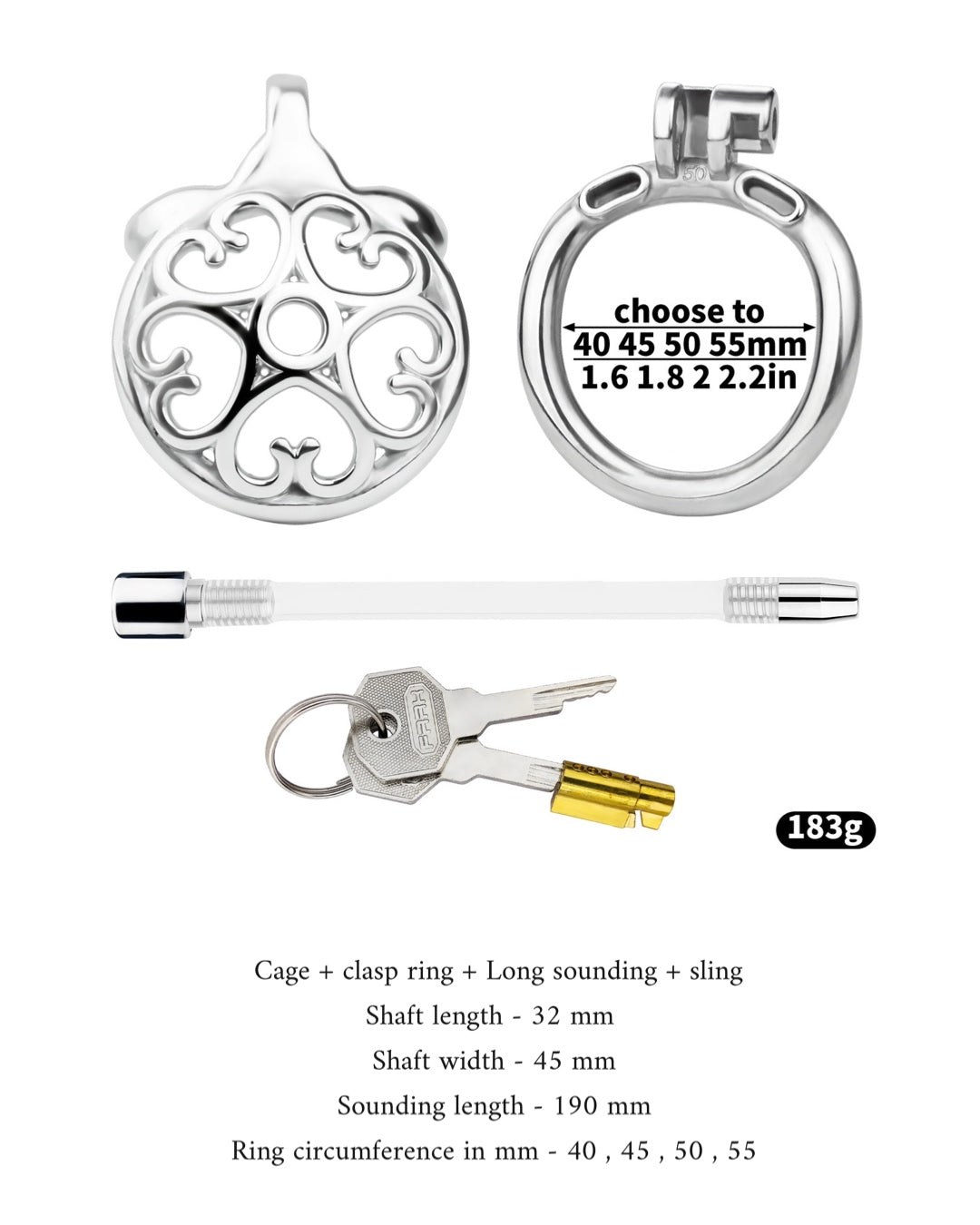
Forged from premium 316L surgical-grade stainless steel, the device comes equipped with a reliable snap ring , internal sounding tube and a comfortable leather string for a customized fit.
Choose this incredibly durable male chastity cage for rust-proof hygiene and long-lasting wear. Surrender to the legend, because Padayali never abandons his post or lets anyone break the rules!
Size Chart
Size Chart
How to Measure the LockHim Cage Ring Size
Finding the right fit for a Chastity cage Ring is essential for comfort and effectiveness.
Follow these steps to measure yourself accurately
1. Measurement
- Base of the Tool - For LockHim cages, use a soft measuring tape or a string and take the measurement below the balls.Ensure the tape is snug but not tight. This is your circumference.
2. Convert Circumference to Diameter
Once you have the circumference, use the formula below to calculate the diameter:
Diameter = Circumference / 3.14
3. Compare with the Size Chart
Now, compare your measured diameter with the sizes provided in the reference chart below
| Ring Diameter | Recommended Circumference (mm) |
| 40 mm | 125 - 140 mm |
| 45 mm | 141 - 160 mm |
| 50 mm | 161 - 180 mm |
| 55 mm | 181 - 200 mm |
4. Choosing the Right Fit
-
Snug Fit - If you’re between sizes, choose the similar size for a tighter fit.
- Comfort Fit - Opt for a larger size for a more comfortable, looser fit.
Ensure the ring isn’t too tight to prevent circulation issues. Always consult a healthcare professional if unsure.
Product Details
Product Details
- Material - 316L Surgical-grade stainless steel
Care Guide
Care Guide
Maintaining 316L surgical-grade stainless steel chastity cage requires a balance of rigorous hygiene and simple mechanical upkeep to ensure the device remains both safe and functional. Because this specific alloy is non-porous and highly resistant to corrosion, it can be thoroughly sanitized by boiling the disassembled parts in water for ten minutes or using an ultrasonic cleaner to remove buildup from intricate locking mechanisms and hinges. For daily wear, it is crucial to wash the device with a mild, fragrance-free antibacterial soap and, most importantly, to ensure the skin and metal are completely dry—using a hair dryer on a cool setting is often the most effective method to prevent moisture-related irritation or fungal issues. To keep the mechanical components fluid, a drop of food-grade mineral oil should be applied to the lock cylinder periodically, while abrasive cleaners like bleach or steel wool must be strictly avoided to prevent microscopic scratches that could harbour bacteria.